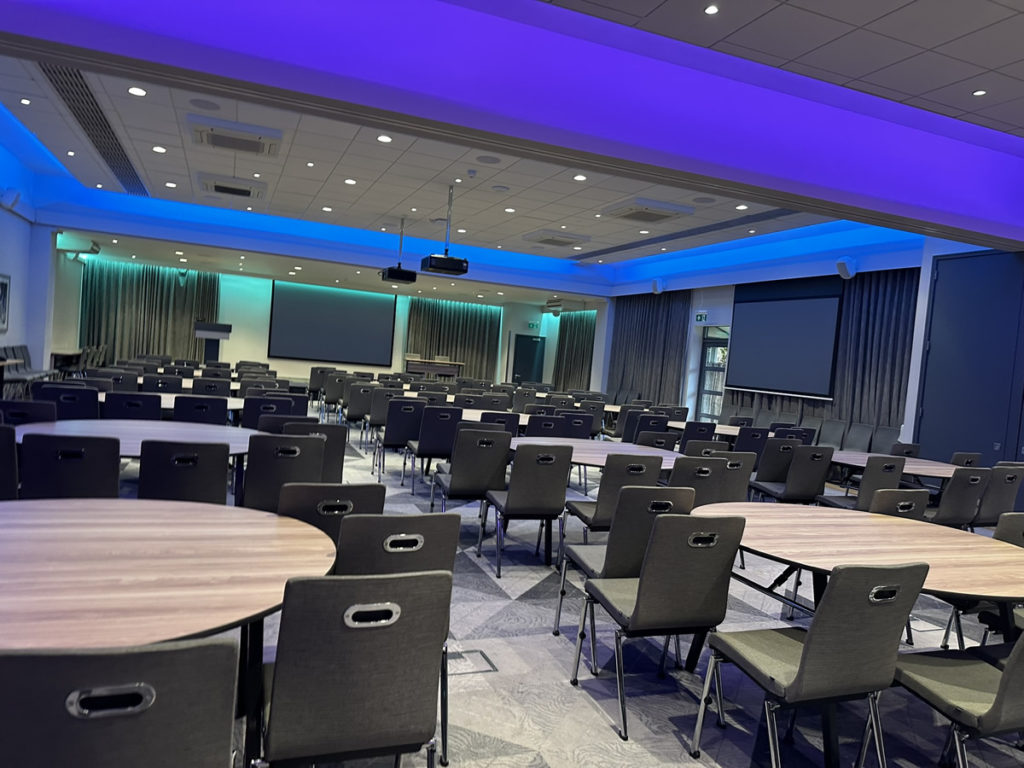

If your role involves planning events, or if you’re occasionally tasked with sourcing a venue, timing is everything. In our latest blog, we’re sharing insights and practical tips on when you should start your venue search. If venue sourcing isn’t something you do often, you may be surprised just how far in advance popular venues get booked.
Before you even begin shortlisting venues, there are often numerous factors that narrow down potential event dates. These can include:
- School holidays and public holidays
- Clashes with other industry events or competitor events
- Availability of key attendees, speakers, or leadership teams
- International holidays if your audience is global
That’s a lot to consider, and once you’ve narrowed down your preferred dates, securing the right venue becomes the foundation of successful event planning.
In busy cities like London and major European hubs, timing is critical.
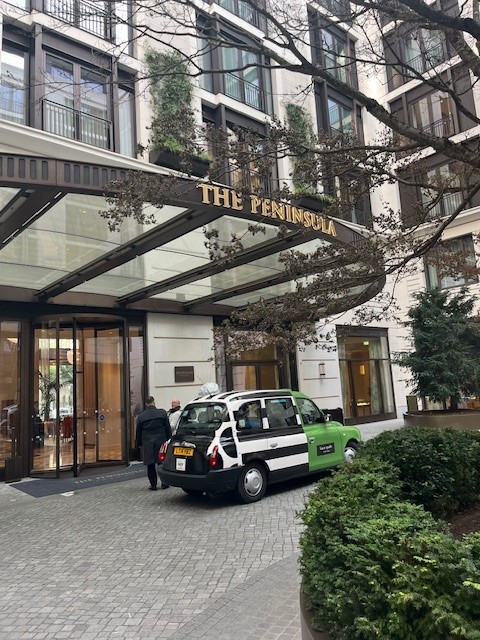
Venue Booking Lead Times: What We’re Seeing
We’re finding that lead times for securing venues at popular times are getting longer, sometimes significantly so.
Recently, we enquired about a venue for a three-day conference taking place 12 months in advance. Not only was the venue unavailable for that year, but when we checked availability for the following year (as the event runs annually), that was already booked too. In other words, this venue was fully booked two years ahead.
Whether you’re planning a one-day conference or a multi-day international summit during peak months, here’s our guidance on typical lead times and when to start your venue search.
Recommended Lead Times by Event Type
Large Conferences & Multi-Day Events
Aim to book 9–18 months in advance
- If your event falls in peak months — February to May or September to November — or overlaps with major industry gatherings, festivals, or city-wide events, allow as much lead time as possible.
- Peak days tend to be Tuesday, Wednesday, and Thursday. If you’re open to hosting your event on a Monday or Friday, you may find better availability and more competitive rates.
Smaller Conferences, Workshops & Seminars
Aim to book 3–6 months in advance
- Single-day events and less complex formats offer more flexibility and a broader range of venue options.
- That said, popular dates and central locations still book quickly, so early planning is always beneficial.
Don’t Forget Hotel Accommodation
If your event requires delegate accommodation, it’s essential to check what else is happening in your chosen location. Major concerts, sporting events, or large conferences can drive hotel demand up dramatically — resulting in limited availability and higher room rates.
Aligning your venue and accommodation planning early can help avoid unnecessary cost increases.
Last-Minute Booking Opportunities
- Short notice bookings (1–3 months out) can sometimes work — particularly if you’re flexible on dates and open to Mondays or Fridays.
- However, this approach significantly limits choice and often increases costs, as planners are competing for remaining availability.
- Flexibility can reduce pressure, but premium venues and prime locations usually still require advance booking.
Tips to Maximise Venue Availability & Value
- Start searching as soon as your dates are confirmed. Early enquiries give you priority access and stronger negotiating power.
- Consider off-peak or weekday dates. These often offer better flexibility and pricing.
- Coordinate venue and accommodation bookings. Nearby hotels fill up quickly around major venues.
- Keep backup dates in mind. A 2–3 date window greatly increases your chances of securing a top venue.
- Work with a professional venue finder. We can unlock less obvious options, negotiate better terms — and our service is completely free.
Final Thoughts
In high-demand cities such as London, Paris, Berlin, and Amsterdam, conference venue booking timelines are continuing to stretch — particularly for large events and peak months. Starting early is no longer just advisable; it’s often essential.
By aligning your planning schedule with realistic lead times and seasonal demand, you’ll be far better placed to secure your preferred venue, negotiate favourable terms, and deliver a seamless attendee experience, without last-minute compromises.